Author: sirkirash

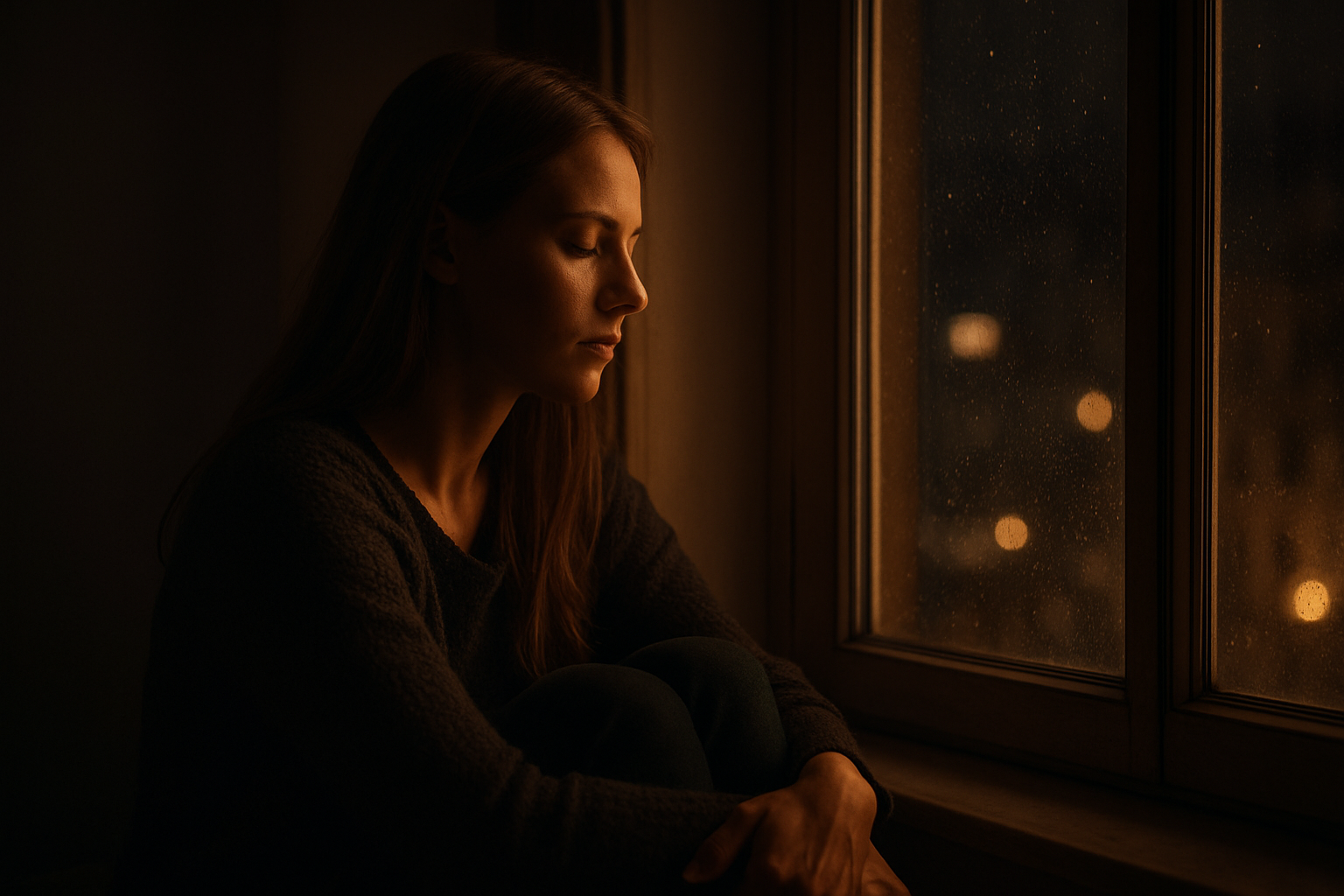
  • Why We Fear Being Alone — but Crave It Anyway

    We fear being alone, yet we crave it. Explore the psychology behind our love-hate relationship with solitude — and learn how to make peace with being by yourself.


    The Paradox of Solitude

    You cancel plans just to stay home — then spend the evening scrolling and feeling guilty for being alone.
    You dream of a weekend getaway by yourself — but when the silence hits, it feels uncomfortable.

    Sound familiar?
    That’s the human paradox: we fear being alone, yet deep down, we crave it.

    This tug-of-war between solitude and connection isn’t just emotional — it’s biological and psychological.


    Why We Fear Being Alone

    For most of human history, being alone meant danger. We survived by belonging to tribes and groups. The fear of isolation is wired deep into our brains — the same circuits that light up for physical pain also react to loneliness.

    When we’re alone, that ancient alarm system goes off. It whispers:

    “You’re unsafe. You don’t belong.”

    So, we fill the silence with noise — social media, messages, or background TV. Anything to avoid the feeling of disconnection.

    But here’s the twist: what once kept us alive can now keep us stuck — always seeking company, rarely finding peace.


    Why We Crave Solitude

    Despite the fear, something inside us longs for quiet. That’s because solitude isn’t the same as loneliness.
    Loneliness is emptiness.
    Solitude is presence — presence with yourself.

    In solitude, your mind finally stops reacting and starts reflecting. You reconnect with your thoughts, your creativity, your intuition. Studies show that spending time alone can actually improve emotional regulation, focus, and empathy.

    In short: being alone helps you remember who you are when no one’s watching.


    The Real Problem Isn’t Solitude — It’s Avoidance

    Many people think they fear being alone, but what they actually fear is meeting their unfiltered self.
    The silence of solitude acts like a mirror — reflecting everything you’ve been avoiding: your doubts, desires, regrets, and dreams.

    But here’s the beauty: once you face those reflections, they lose their power. What was once uncomfortable becomes freeing.


    How to Make Peace With Being Alone

    1. Start small. Spend 10–15 minutes each day without your phone or distractions.
    2. Do something just for you. A walk, journaling, music — anything that reconnects you with yourself.
    3. Reframe solitude. Don’t see it as “no one wants to be with me.” See it as “I’m choosing to be with myself.”
    4. Observe, don’t judge. When loneliness arises, notice it gently instead of running from it.

    With time, you’ll find that solitude isn’t a punishment — it’s an invitation.


    Final Thought

    Being alone doesn’t mean being lonely. It means giving yourself space to breathe, think, and grow.

    We fear solitude because it strips away the noise — but that’s exactly where truth lives.
    And when you learn to be comfortable in your own company, you’ll never feel truly alone again.
  • Insomnia Diaries: What Your Mind Is Trying to Tell You When You Can’t Sleep

    Struggling to fall asleep? Learn what your mind might be trying to tell you through insomnia — from hidden worries to emotional overload — and discover simple ways to calm your thoughts before be


    Insomnia Diaries: What Your Mind Is Trying to Tell You When You Can’t Sleep

    It’s late at night. You’ve turned your pillow, scrolled through your phone, and sighed for the hundredth time—but your eyes still refuse to close.

    If this sounds familiar, you’re not alone. Millions of people experience insomnia at some point. But sleeplessness isn’t always random. Sometimes, it’s your mind’s way of sending a message.


    1. Your Mind Is Still in Go Mode

    During the day, we’re busy—working, talking, rushing. When bedtime comes, your body might stop, but your brain is still running laps.

    Those late-night thoughts—worries, reminders, or random memories—are often just your mind trying to process everything you didn’t have time for earlier.

    📝 Try this: Write down what’s on your mind before bed. Getting your thoughts out can help your brain relax.


    2. Worries Get Louder at Night

    Nighttime silence can make small worries sound huge. Without distractions, your mind starts replaying everything that went wrong—or could go wrong.

    This doesn’t mean you’re broken. It just means your brain is trying to protect you by thinking ahead.

    💡 Tip: Slow, deep breathing or gentle stretching before bed can help signal to your body that it’s safe to rest.


    3. Hidden Emotions Need Attention

    Sometimes, sleepless nights aren’t about stress but about feelings we’ve buried—sadness, guilt, frustration, or even excitement.

    At night, when everything’s quiet, those emotions finally rise to the surface. Your mind might be saying, “Please notice me.”

    💬 What helps: Let yourself feel what’s there without judging it. You might find that sleep comes easier once you’ve acknowledged what’s been sitting underneath.


    4. Your Body Needs a Real Break

    Insomnia can also be your body’s gentle protest. Too much caffeine, constant screen time, or no real rest during the day can confuse your natural sleep rhythm.

    🌙 Try this: Create a simple bedtime ritual—dim the lights, make some tea, or play soft music. Over time, your body will start to recognize these cues as signs to wind down.


    5. Sometimes, Sleeplessness Brings Clarity

    Not every sleepless night is bad. Sometimes, your mind is simply alive with ideas. Many creative people find inspiration when the world is still.

    If you’re awake with thoughts that excite you, don’t fight them. Write them down. Creativity often visits when the noise of the day fades away.


    Final Thoughts

    When you can’t sleep, instead of fighting it, try to listen.
    Ask yourself:

    • What’s keeping me awake right now?
    • What do I need—rest, calm, or closure?

    Insomnia isn’t always the enemy. It can be your mind’s way of asking for care, attention, or change. Once you start listening, you might find that rest comes naturally.

  • Sleepless but Awake: The Hidden Power of Midnight Thoughts

    Can’t sleep at night? Discover how your late-night thoughts can lead to self-awareness, creativity, and emotional healing.

    When the World Sleeps, You Stay Awake

    It’s late. Everyone else is asleep, but your mind keeps running.
    You turn on your side, close your eyes, and hope for rest — but the thoughts just keep coming.

    Maybe you’re replaying old memories. Maybe you’re worrying about tomorrow. Or maybe you just feel… awake.

    It’s okay. You’re not alone. Sleepless nights happen to many of us — and sometimes, they mean more than we think.


    The Truth About Midnight Thoughts

    When the world goes quiet, your mind gets loud.
    All day, you stay busy — scrolling, working, talking. But at night, there’s nowhere to hide from your thoughts.

    That’s when the real you shows up — honest, emotional, curious.
    You might think too much at night, but maybe that’s your heart trying to tell you something.


    What Insomnia Might Be Saying

    Not all sleepless nights are bad.
    Sometimes, your mind just wants your attention.
    It might be saying:

    • “You’ve been avoiding this feeling.”
    • “You need rest — not just sleep.”
    • “It’s time to listen to yourself.”

    When you can’t sleep, instead of fighting it, try asking gently: What do I need right now?


    How to Find Calm When You Can’t Sleep

    Here are a few simple ways to make peace with the night:

    1. Write your thoughts down. It helps clear your mind.
    2. Breathe slowly. Remind your body that you’re safe.
    3. Avoid screens. The light keeps your brain awake.
    4. Be kind to yourself. Don’t stress about not sleeping.

    Sometimes peace comes when you stop trying so hard to find it.


    There’s Beauty in the Stillness

    Being awake while the world sleeps can feel lonely, but it can also be powerful.
    It’s a moment of honesty — when your mind, heart, and soul meet in the quiet.

    Maybe your sleeplessness isn’t a curse.
    Maybe it’s a sign that you’re becoming more aware — more connected to yourself.

    So the next time you lie awake, don’t fight the silence.
    Breathe. Listen. Learn from it.


    🌿 Join the Conversation

    Do you often find yourself lost in thought at night?
    Share what keeps you awake — your story might help someone who’s awake right now too.

  • The Quiet Curse: How Solitude Can Heal You — and Break You

    The Quiet Curse: How Solitude Can Heal You — and Break You

    Discover the double-edged power of solitude. Learn how being alone can bring peace, clarity, and healing — or lead to emotional emptiness if left unchecked.

    The Strange Beauty of Being Alone

    There’s something hauntingly beautiful about silence. In a world that never stops talking, solitude feels like both a gift and a curse.

    For some, being alone is a sacred retreat — a place to breathe, to think, to reconnect with the self. For others, it’s a cold reminder of everything missing.

    But solitude isn’t the same as loneliness. One heals; the other hollows. The difference lies in how we choose to meet our own company.


    The Healing Side of Solitude

    Solitude is medicine for a noisy soul. When you step away from the crowd, the constant chatter fades, and your real thoughts finally have room to speak.

    Being alone gives you space to:

    • Reconnect with your inner voice — without the noise of social comparison.
    • Recharge your energy — especially if you’re drained by constant interaction.
    • Gain clarity — decisions, emotions, and goals become easier to understand in silence.

    Psychology research shows that regular moments of solitude can reduce stress, boost creativity, and improve emotional balance. It’s not isolation — it’s restoration.


    When Solitude Turns Sour

    But there’s a darker side to being alone. When solitude stretches too long, it can morph into something heavier — loneliness. That’s when the silence stops healing and starts echoing.

    Loneliness can:

    • Make small problems feel enormous.
    • Distort your self-image.
    • Lead to anxiety, overthinking, and sleepless nights.

    The mind craves connection just as the body craves air. Too much withdrawal, and the line between peace and pain blurs.


    Finding Balance — The Art of Healthy Solitude

    Healthy solitude isn’t about running away from the world; it’s about coming home to yourself.

    Here’s how to find balance between peace and isolation:

    1. Set intentional alone time. Meditate, journal, or take a silent walk.
    2. Stay connected. Even short chats with loved ones keep your heart grounded.
    3. Transform silence into growth. Reflect, don’t ruminate. Use solitude to heal, not to hide.

    When solitude becomes self-reflection instead of self-punishment, it turns into one of life’s greatest teachers.


    The Quiet Power Within

    Solitude will always carry a quiet curse — it shows us everything we’ve ignored. But if we face it with courage, that same silence becomes our greatest strength.

    It’s not the absence of people that matters, but the presence of self that solitude reveals.

    So the next time life grows too loud, don’t fear the quiet.
    Enter it — and listen.


    🌿 Join the Conversation

    Have you ever felt both healed and haunted by solitude?
    Share your story in the comments below — your words might help someone else feel a little less alone.

Verified by MonsterInsights