Author: sirkirash

  • Why Millennials Are Facing Rising Cancer Rates

    Why Millennials Are Facing Rising Cancer Rates

    Millennials — people born between 1981 and 1996 — are facing higher cancer rates than ever before. Studies show that cancers once seen in older adults now appear in people under 40.

    The rise isn’t just due to better testing. Lifestyle, diet, sleep, and environmental changes all play a role. Understanding these causes is the first step toward prevention.


    1. Poor Diet and Weight Gain

    Millennials grew up in a fast-food era. Many depend on processed snacks, sugar drinks, and convenience meals. These foods increase inflammation and body fat — both linked to cancer.

    A diet rich in fruits, vegetables, and fibre supports gut health and lowers risk.


    2. Sitting Too Much and Sleeping Too Little

    Desk jobs, screen time, and late nights have made sedentary life the new normal. Long hours of sitting slow metabolism and reduce hormone balance.

    Lack of sleep affects the body’s ability to repair cells, which may raise cancer risk. Regular movement and better sleep habits can make a major difference.


    3. Chemical and Environmental Exposure

    Air pollution, microplastics, and household chemicals are now part of daily life. These toxins can harm DNA and affect hormone function.

    Reducing exposure — using natural products, clean air filters, and safe containers — helps limit the risk.


    4. Hormone and Reproductive Changes

    Millennials are having children later and using more hormonal treatments. This increases lifetime exposure to estrogen, which affects cancers such as breast and uterine.

    Balancing hormones through lifestyle and medical guidance is key.


    5. Stress and Mental Health

    Millennials face constant pressure — finances, work, and social media. Chronic stress increases inflammation and unhealthy habits like poor sleep or eating.

    Managing stress through mindfulness, rest, and emotional support promotes overall health.


    6. Early Detection Still Matters

    While prevention is powerful, early checks save lives. Millennials should know family history and discuss screenings early — especially for colon, breast, or skin cancers.


    Final Thoughts

    The increase in cancer among millennials reflects modern life itself: fast, convenient, and often disconnected from health.

    Small, steady changes — better food, more movement, clean environments, and self-care — can reverse the trend. Awareness is the new prevention.

  • Rise Even When You Feel Small

    There are mornings when you wake up and question if you’re really making progress — when your dreams feel too big, your effort too small, and your path too uncertain.
    But understand this: every great story begins quietly.

    The strongest trees start as unseen seeds buried under pressure and darkness. The richest melodies begin as whispers in silence. You don’t need the world’s attention to grow — you just need the will to keep moving when no one’s watching.

    Progress isn’t always visible. Sometimes it’s internal — the discipline you build, the patience you grow, the habits you repeat when motivation fades. Those invisible days are the foundation of your future victories.

    So, don’t wait to “feel ready.”
    Don’t wait for applause.
    Don’t wait for the right conditions.

    Just start.
    Rise with what you have, where you are.
    And if you fall, rise again — slower maybe, but wiser. Because every time you rise, you prove that you’re not defined by circumstances but by your persistence.

    Remember this:

    A person who refuses to give up is already unstoppable — even if they’re still climbing.

  • How Waking Up with a Positive Vibe Can Kill Loneliness

    Loneliness doesn’t always come from being alone.
    Sometimes it grows in silence — in the space between who we are and who we want to become. But every morning gives us a choice: to wake up heavy with yesterday or light with a new start.

    A positive vibe isn’t just a mood; it’s an energy reset. When you wake up and choose to smile, breathe deep, or say one kind word to yourself, you begin to shift what loneliness feeds on — self-doubt, overthinking, and fear.

    Start with something small.
    Open your window, let the morning air touch your skin, or play your favorite track. Write one goal for the day — not something grand, just a promise to yourself. That’s how you remind your soul that you still matter.

    Positivity doesn’t erase loneliness overnight, but it starves it.
    When your first thought is gratitude, not worry, your mind begins to change its rhythm. The same world that looked gray yesterday starts to have a little light again.

    And here’s the truth — no one escapes loneliness forever. But you can face it differently. You can wake up with the vibe of someone who refuses to be consumed by it. Someone who believes that good energy, even quiet energy, still counts.

    Because sometimes, killing loneliness isn’t about finding people.
    It’s about finding peace within yourself first.


    Reflection:

    Every sunrise is a reminder — life goes on, and so can you. The world may not change in one morning, but your mindset can. And when you decide to wake up with gratitude instead of emptiness, the universe quietly takes your side.

  • The Quiet Fire: Finding Strength When No One Sees You

    There comes a time when motivation isn’t loud anymore.
    It doesn’t scream. It doesn’t dance on timelines or hashtags.
    It just breathes — slowly — inside the quiet corners of your soul.

    That’s when real growth begins.

    Because the truth is, life won’t always clap for you.
    You won’t always have people cheering you on, or even understanding what you’re fighting for.
    And that’s okay.
    Some journeys are designed to be walked in silence — not because you’re forgotten, but because you’re being refined.

    Every storm that left you shaking… was teaching you how to stand.
    Every heartbreak that cracked your confidence… was carving out humility.
    Every failure you tried to bury… was planting the seed of your future discipline.

    That’s how God — or fate, or life — builds the strong.

    The quiet ones.
    The patient ones.
    The ones who’ve learned to smile even when their world is falling apart.

    Motivation isn’t always about being on fire — sometimes it’s about keeping your flame alive in the wind.
    It’s not the energy that explodes, but the strength that endures.

    So if you’re reading this feeling lost, drained, or invisible — take heart.
    You’re not behind. You’re not broken. You’re becoming.

    Let this be your reminder:
    The darkness that surrounds you right now isn’t the end — it’s the workshop.
    The silence you feel isn’t punishment — it’s preparation.
    And when it’s time, you won’t need to announce your comeback.
    Your peace will speak for you.


    💭 Reflection

    Sit with yourself tonight.
    Not your fears. Not your noise.
    Just you.
    Ask yourself not what you want — but who you are becoming in the process of waiting.

    Because sometimes the bravest thing you can do…
    is keep going quietly.

  • Embracing Gratitude: The Beauty of Small Things in Life

    Embracing Gratitude: The Beauty of Small Things in Life

    Introduction to Gratitude

    Gratitude is a powerful emotional state that influences our overall well-being and perspective on life. At its core, gratitude involves recognizing and appreciating the positive aspects of our existence, whether they stem from significant milestones or the often-overlooked small joys. By embracing gratitude, individuals can cultivate a mindset that enhances their appreciation of life’s myriad blessings, fostering a sense of fulfillment and happiness.

    In contemporary society, where challenges and stressors abound, adopting a grateful outlook can offer a perceptual shift. This shift allows individuals to focus on what they have, rather than what they lack. Research indicates that practicing gratitude can lead to improved mental health, increased resilience, and deeper relationships. By consciously acknowledging these small gifts, we begin to rewire our thought processes, replacing negativity with a sense of abundance.

    Furthermore, the significance of gratitude extends beyond momentary feelings of happiness; it can profoundly reshape interactions with others and enhance our social connections. When we express gratitude, we reaffirm bonds with friends, family, and colleagues, creating a ripple effect that promotes positive environments in both personal and professional spheres. As we integrate gratitude into daily life, we find ourselves increasingly attuned to the simple pleasures that often go unnoticed, such as a serene sunset or a warm smile from a stranger.

    In essence, understanding and embracing gratitude is essential for cultivating mindfulness and appreciation for life’s small wonders. As we embark on this journey of gratitude, we open ourselves up to the inherent beauty that surrounds us, paving the way for a deeper sense of happiness and well-being. This exploration not only enriches our own lives but also enhances the lives of those around us, creating a world that values and celebrates small acts of kindness and joy.

    Understanding the Small Things

    When we speak of the “small things” in life, we refer to the myriad of daily experiences and simple pleasures that often go unnoticed in the hustle and bustle of our routines. These moments, while seemingly trivial, play a significant role in shaping our overall happiness and well-being. The small things can include a warm cup of coffee enjoyed on a quiet morning, the beauty of nature witnessed during a leisurely stroll, or even a genuine smile exchanged with a stranger on a busy street.

    These subtle experiences, though diminished in comparison to grand milestones, are crucial for enhancing our appreciation of life. They remind us to pause and be present, allowing us to cultivate mindfulness and foster a deep sense of gratitude. For instance, the joy derived from basking in the morning sun or hearing the laughter of children playing nearby serves as a gentle reminder of what truly matters.

    Furthermore, small acts of kindness, such as holding the door for someone or sharing a friendly word, contribute to a sense of community and connection among individuals. These often-overlooked interactions, though minute, weave a rich tapestry of shared human experiences, underscoring the importance of social interactions in our daily lives. By acknowledging and savoring these seemingly insignificant details, we can enhance our emotional resilience and overall happiness.

    In essence, the beauty of small things lies in their ability to remind us of the richness embedded in our daily existence. They encourage us to find joy in the mundane, creating a profound impact on our mental and emotional state. By embracing and valuing these small treasures, we may cultivate a deeper appreciation for life itself, transforming our perspective and enhancing our daily experiences.

    The Science Behind Gratitude

    Gratitude has garnered significant attention within psychological research, providing compelling insights into its positive impact on mental and physical well-being. One of the most frequently cited studies conducted by Emmons and McCullough (2003) found that individuals who regularly practiced gratitude reported higher levels of positive emotions, greater life satisfaction, and lower rates of depression. This foundational work underscores the psychological benefits of gratitude, revealing how a simple shift in focus from what we lack to what we appreciate can profoundly enhance our overall happiness.

    Moreover, a 2012 study published in the journal “Personality and Individual Differences” demonstrated that gratitude can effectively lower stress levels. Participants who engaged in gratitude exercises exhibited lower cortisol levels, which is the hormone primarily associated with stress. This finding suggests that incorporating gratitude into daily life can not only elevate mood but also help mitigate the physiological effects of stress on the body.

    Gratitude also plays a pivotal role in the cultivation of healthy relationships. Research by Algoe, Haidt, and Gable (2008) indicates that expressing gratitude can strengthen interpersonal bonds. The act of thanking someone fosters feelings of connection and enhances trust, contributing to the development of long-lasting, supportive relationships. In a social context, gratitude reinforces social behaviors that promote communal well-being, thereby enhancing overall social cohesion.

    Furthermore, the psychological theory known as the ‘broaden-and-build’ theory proposed by Barbara Fredrickson suggests that positive emotions, such as gratitude, broaden individuals’ cognitive processes. This expansion allows for the building of social resources, increasing resilience over time. Consequently, those who actively practice gratitude not only experience immediate emotional benefits but also accrue long-term gains in well-being and life satisfaction.

    Cultivating a Grateful Mindset

    Developing a grateful mindset requires intentional practice and can significantly enhance one’s overall well-being. One effective method to foster gratitude is by maintaining a gratitude journal. This simple yet impactful tool encourages individuals to regularly reflect on and record the positive aspects of their lives, from small daily occurrences to significant milestones. By dedicating a few minutes each day to jot down these moments, individuals can train their minds to focus more on what they have, rather than what they lack. This practice not only reinforces an attitude of gratitude but also serves as a valuable resource during challenging times, allowing one to revisit happy memories and feelings of appreciation.

    Another technique to cultivate a grateful mindset is through mindfulness practice. Mindfulness involves being present in the moment and acknowledging thoughts and feelings without judgment. By integrating mindfulness into daily routines, individuals can heighten their awareness of the small joys that often go unnoticed. For instance, taking a moment each day to appreciate nature, savoring a delicious meal, or enjoying a conversation with a loved one can create a deeper connection to gratitude. Mindfulness empowers individuals to recognize these fleeting moments and enhances their capacity to appreciate the beauty of life’s little treasures.

    Finally, reflecting on positive experiences can further deepen one’s sense of gratitude. Setting aside time at the end of the day to contemplate what went well or what brought joy can help shift focus from negativity to positivity. This practice encourages individuals to acknowledge and appreciate even the most minor successes or pleasant interactions throughout their day. By incorporating these techniques into daily life, individuals can cultivate a more appreciative outlook, enhancing their overall mental and emotional well-being. Embracing a grateful mindset is not only beneficial for personal happiness but can also positively influence relationships and community connections.

    Finding Gratitude in Difficult Times

    Experiencing difficult times can often overshadow the beauty of life’s smaller joys. However, cultivating a mindset of gratitude, even amidst adversity, can significantly improve one’s emotional resilience and overall well-being. One effective strategy to find gratitude during challenging periods is reframing negative experiences. Instead of focusing solely on the distressing aspects of a situation, one can seek out lessons learned or personal growth achieved. For example, facing job loss may initially evoke feelings of despair, yet it can also offer a unique opportunity to reassess career goals or explore fulfilling passions that had previously been neglected.

    Recognizing silver linings is another powerful mechanism that can reshape one’s perspective during tough times. It involves identifying the positive elements that exist alongside hardships. An individual coping with illness may discover a renewed appreciation for the support of friends and family, fostering deeper relationships. This approach promotes a holistic view of life, emphasizing that even within struggles, glimmers of hope and joy can shine through.

    Utilizing gratitude as a coping mechanism can also be beneficial. Keeping a gratitude journal to note daily thankfulness—even for the simple things, such as a warm cup of tea or a kind interaction with a stranger—can shift focus from despair to appreciation. Additionally, practicing mindfulness can help individuals connect with the present moment, allowing them to find solace in the here and now, rather than becoming overwhelmed with anxiety about the future.

    Personal stories often illustrate the power of gratitude in adversity. For instance, someone who has faced a significant life challenge might share how expressing gratitude transformed their experience, highlighting moments of kindness or laughter that emerged even during the darkest days. Embracing these narratives can serve as inspiration for others, encouraging them to seek beauty in small things despite their struggles.

    Gratitude and Relationships

    Gratitude plays a pivotal role in nurturing and enhancing relationships. By expressing appreciation, individuals foster a deeper emotional connection with their family, friends, and colleagues. Acknowledging the efforts and qualities of those around us not only strengthens interpersonal bonds but also creates a more positive environment where relationships can flourish. The simple act of saying “thank you” or recognizing someone’s contributions can significantly elevate the dynamics shared between individuals.

    In relationships, the demonstration of gratitude serves as a powerful catalyst for building trust and mutual respect. When individuals feel valued and appreciated, they are more likely to reciprocate these positive sentiments, creating a virtuous cycle of kindness and understanding. This exchange of gratitude can enhance communication and diffuse conflicts, leading to healthier and more resilient relationships. For instance, expressing gratitude towards a colleague for their collaboration can pave the way for a more cohesive team dynamic, fostering an atmosphere of cooperation.

    Moreover, gratitude can manifest in various forms, allowing it to be tailored to different relationships. It is essential to recognize that gratitude does not always have to be expressed through grand gestures; small, everyday acknowledgments are equally impactful. Writing a heartfelt note to a family member, taking time to listen attentively, or simply offering a compliment can profoundly affect relationships. Engaging in acts of kindness, such as preparing a meal or offering support during challenging times, further reinforces feelings of appreciation.

    In conclusion, the impactful role of gratitude in relationships can transform interpersonal dynamics. By prioritizing gratitude as a practice, individuals can cultivate deeper connections, enhance communication, and create a supportive atmosphere conducive to growth and fulfillment among family, friends, and colleagues.

    The Ripple Effect of Gratitude

    Gratitude is not merely a feeling; it is a powerful catalyst that fosters positive connections and actions among individuals. When one practices gratitude, its impact often extends far beyond the initial gesture, creating a ripple effect that influences others and encourages them to cultivate an attitude of appreciation. This phenomenon manifests in various ways, profoundly enhancing interpersonal relationships and community cohesion.

    One instance of the ripple effect of gratitude can be observed in workplaces. When employees feel appreciated by their peers and supervisors, they are more likely to reciprocate that sentiment. A simple “thank you” can motivate coworkers to show kindness in return, creating an environment of mutual respect and support. Research indicates that workplaces that prioritize appreciation result in increased productivity, lower turnover rates, and stronger workplace bonds. In this setting, gratitude acts as a glue that holds the team together, inspiring individuals to contribute positively to their collective goals.

    Moreover, gratitude has the potential to inspire acts of kindness within communities. When individuals express their gratitude publicly, whether through social media, community gatherings, or local advocacy, they not only celebrate their own blessings but also inspire others to acknowledge and appreciate their own lives. For example, many community-driven initiatives, such as food drives or charity events, stem from individuals expressing gratitude for their circumstances and seeking to extend that gratitude through service. By doing so, they motivate others to participate, creating a sense of belonging and shared purpose.

    In essence, the ripple effect of gratitude extends beyond personal benefits. It fosters a culture of kindness and positivity that can transform relationships and strengthen community bonds. Each act of gratitude reinforces the interconnectedness of individuals, encouraging an environment where appreciation and altruism flourish. Thus, embracing gratitude not only enriches one’s life but also cultivates a vibrant community interconnected by shared goodwill.

    Everyday Practices to Remember Small Blessings

    Incorporating gratitude into daily life requires intentional practices that encourage individuals to acknowledge the small blessings surrounding them. One effective method is the practice of keeping a gratitude journal. By dedicating just a few minutes each day to write down three to five things they feel thankful for, individuals can shift their focus from what is lacking to recognizing the abundance in their lives. This simple act cultivates a positive mindset and reinforces the appreciation of everyday moments.

    Another practice is the “gratitude jar” approach. Individuals can designate a jar or container for collecting notes of gratitude throughout the year. Each time they experience a moment of joy or gratitude, they can jot it down on a small piece of paper and place it in the jar. At the end of the year, reflecting on these notes can serve as a powerful reminder of the many small blessings encountered, enabling individuals to celebrate their journey and the positive aspects of their lives.

    Mindfulness exercises also play a crucial role in fostering gratitude. Engaging in activities such as meditation or mindful walking allows individuals to remain present, heightening awareness of the beauty in the ordinary. During these moments, it is beneficial to focus on sensory experiences—taking time to notice the colors, sounds, and textures around them. This practice of being present can help cultivate a deeper appreciation for life’s small joys.

    In addition, setting daily reminders, such as alerts on their mobile devices, can facilitate reflection on gratitude. Individuals can take a moment to pause and think about what they appreciate at that time, reinforcing the habit of recognizing and valuing small blessings in day-to-day life. These practices serve as gentle prompts to slow down, reflect, and embrace the richness of everyday experiences.

    Conclusion

    In reflecting upon the essence of gratitude, it becomes evident that appreciating the small things in life can lead to profound and lasting changes in our overall well-being. Throughout this discussion, we have delved into the significance of recognizing everyday moments, from the warmth of a gentle breeze to the smile of a stranger. Each small joy acts as a reminder of the beauty that exists around us, often overshadowed by the hustle and bustle of daily life. Embracing these moments can greatly enhance our happiness and contentment.

    The practice of cultivating gratitude allows us to shift our perspective, transforming our focus from what is lacking to what is present. By consciously acknowledging the small blessings, we develop a habit that fosters resilience in challenging times. The power of gratitude lies not only in individual experiences but also in how it influences our relationships with others. When we express appreciation for the small gestures and kindness we receive, we strengthen our connections and create a community rooted in positivity.

    Furthermore, regularly practicing gratitude can improve mental health, reduce stress, and enhance emotional stability. As we incorporate gratitude into our daily routines, we lay the foundation for a more fulfilling life. The process does require mindful attention and commitment; however, the rewards are immeasurable. We encourage readers to explore the myriad of small joys that life offers and to integrate gratitude into their lives more intentionally. In doing so, one not only enhances personal well-being but also contributes to a more grateful society. The journey might begin with simple acts, but the impact of such practices can resonate throughout our lives and the lives of those around us.

  • Don’t Let Loneliness Control You

    Don’t Let Loneliness Control You

    Loneliness is one of the most common yet misunderstood emotions. It isn’t simply being alone — it’s the feeling of disconnection, of being unseen or unheard even in a crowd. Everyone experiences it at some point, but the difference lies in how we respond to it. When we allow loneliness to take control, it quietly shapes our thoughts, behaviors, and sense of worth. The goal isn’t to deny it — but to understand it, manage it, and rise above it.


    1. Understand What Loneliness Really Is

    Psychologists describe loneliness as a signal — much like hunger or thirst — that tells us something important: our need for connection is unmet. When you see it as a signal, not a sentence, you start to regain power. You can respond to it with intention rather than letting it dictate your moods or decisions.


    2. Recognize the Traps of Lonely Thinking

    When loneliness takes the wheel, it often whispers lies:
    “No one cares about me.”
    “I’ll always be alone.”
    “I don’t belong anywhere.”

    These are distortions — emotional echoes, not facts. Challenge them. Remind yourself that thoughts created by pain don’t always reflect reality. The truth is: you do matter, and connections can be rebuilt, one small step at a time.


    3. Build Structure and Purpose into Your Days

    Unstructured time feeds loneliness. Having small daily rituals — a morning walk, reading, journaling, creative work — creates rhythm and meaning. Structure grounds the mind, helping you feel less like you’re drifting and more like you’re living.


    4. Strengthen Your Relationship With Yourself

    The hardest lesson in dealing with loneliness is learning to be comfortable in your own presence. Treat yourself as someone worth spending time with. Do activities that reflect your values or bring peace — exercise, music, art, nature. Self-respect grows from these quiet moments of self-investment.


    5. Reach Out When You’re Ready

    You don’t have to talk to everyone — just someone. Loneliness loses its grip the moment you let another human being in, even in small ways. Volunteer, join an interest group, or simply send a text. Connection is a muscle — the more you use it, the stronger it becomes.


    6. Turn Loneliness Into Growth

    Periods of isolation can teach you who you are, what you need, and where your boundaries lie. Use this time not as punishment but as preparation — a chance to understand yourself so deeply that when the right relationships come, they’ll be built on truth, not fear.


    Final Thought

    Loneliness only controls those who surrender to it. When you start seeing it as a message rather than a master, you take your power back.

    You may be alone right now, but you are not abandoned. You’re being called to rebuild from the inside out — and that’s the kind of strength that never leaves you.

  • How to Kill Loneliness Without Saying a Wordhttps://solitudetalks.de/page

    How to Kill Loneliness Without Saying a Wordhttps://solitudetalks.de/page

    You don’t always have to talk about it.
    Sometimes the ache of loneliness doesn’t need an audience — it needs stillness, honesty, and the courage to sit with yourself.

    Loneliness isn’t just being without people. It’s the emptiness that comes when your heart forgets how to listen to itself.
    But you can find your way back — quietly, patiently — without forcing words or connections that don’t feel right.

    Here’s how:


    1. Reconnect with your senses.

    When your thoughts are too loud, let your senses guide you home.
    Light a candle. Listen to the hum of the world. Feel the air on your skin.
    The present moment has a way of reminding you — you’re still here.
    And being here, breathing, is something.


    2. Create something — even if it’s small.

    Loneliness shrinks when you make something from it.
    Write. Draw. Rearrange your room. Cook something new.
    When your hands move, your heart follows.
    You remind yourself that you’re capable of bringing something to life.


    3. Sit with the silence — don’t fight it.

    Silence isn’t your enemy; it’s your mirror.
    At first, it’s heavy. It shows you every ache you’ve buried.
    But stay with it.
    Because eventually, silence softens — and inside it, you’ll start to hear your own voice again.


    4. Take care of your body as if it were someone you love.

    Eat slowly. Walk outside. Stretch. Rest.
    When loneliness hits, we often abandon ourselves first.
    But your body is your oldest friend — it’s carried you through everything.
    Treat it gently. It deserves your care. So do you.


    5. Let something simple become sacred.

    A morning routine. A warm shower. A cup of tea.
    The small things can anchor you when the world feels empty.
    If you give your attention to ordinary moments, they’ll give peace back to you.
    Slowly, life stops feeling like something missing — and starts feeling like something unfolding.


    You don’t have to explain your loneliness.
    You don’t have to fill it with people or distractions.

    Sometimes, healing starts when you learn to be with yourself — quietly, fully, without apology.
    Because the moment you stop running from your own company…
    you stop being lonely.

  • Do It Scared

    Do It Scared

    Fear isn’t your enemy — comfort is.
    Fear means you’re standing at the edge of something that matters. Comfort means you’ve stopped moving.

    Everyone feels fear. The difference between those who win and those who stay stuck is simple: the winners act anyway.
    They don’t wait to feel ready. They don’t wait for confidence. They move, and confidence follows.

    You think you’re waiting for courage?
    No — courage is waiting for you.

    Every goal, every dream, every version of yourself you want to become — it’s on the other side of the fear you keep feeding.
    So stop feeding it. Stop talking yourself out of your own potential.

    You don’t need perfect conditions. You don’t need approval. You don’t even need to know exactly how it’s going to work out.
    You just need to take the first hit, the first step, the first leap — scared, unsure, heart pounding — and do it anyway.

    Because fear doesn’t disappear. It shrinks every time you move through it.

    So go after it.
    Go after it messy. Go after it uncertain. Go after it trembling.

    The world doesn’t need another person waiting for confidence — it needs you, standing in the storm saying,
    “I’m scared, but I’m still coming.”


    Reflection:

    Fear isn’t a stop sign. It’s a signal.
    It means growth is near.

    Every time you choose action over hesitation, you rewrite who you are.
    You become the kind of person who doesn’t just dream — you do.

  • How to Safely Share Your Emotions and Find Supportive People

    How to Safely Share Your Emotions and Find Supportive People

    Opening up about your loneliness is an act of courage — one that deserves gentleness and safety. You don’t have to tell the whole world how you feel; you just need to find the right places and right people who can meet your honesty with care.

    Here’s how you can begin:


    1. Start by Understanding What You Need

    Before you speak, ask yourself — what am I hoping for in sharing this?
    Do you want comfort, advice, or just someone to listen?
    Knowing this helps you set the tone for the conversation and prevents misunderstandings. Sometimes, you just need to be heard — not fixed.


    2. Choose People Who’ve Earned Your Trust

    Not everyone deserves access to your inner world.
    Look for those who have shown empathy in small ways — people who listen without interrupting, who don’t rush to judge, who make you feel lighter, not smaller.
    It’s better to open up to one person who truly listens than ten who only half-hear you.


    3. Take Small Steps in Sharing

    You don’t have to pour everything out at once. Start small — a sentence, a thought, a truth you feel ready to speak.
    Watch how the person responds. If they handle your vulnerability with care, you can go deeper next time. Safety is built slowly, like trust.


    4. Use Safe and Supportive Spaces

    If you don’t have someone close to talk to yet, that’s okay.
    You can reach out to support groups, online mental health communities, or even a therapist — spaces where you’re heard without judgment.
    You’re not weak for needing these spaces; you’re wise for seeking them.


    5. Remember That Your Feelings Are Valid

    If someone dismisses you, it doesn’t mean your emotions were wrong.
    It just means they weren’t ready to meet you where you are — and that’s not your fault.
    Keep speaking your truth. Keep searching for your people. They exist — the ones who’ll look at your pain and say, “I get it. You’re not alone.”


    Final Thought

    Sharing your emotions isn’t a weakness — it’s an act of self-love.
    It’s you saying, “I deserve to be heard.”
    And you do.

    When you share wisely and with care, loneliness begins to lose its power — because every time you speak your truth, you build a bridge back to belonging.

  • The Quiet Strength of Staying

    The Quiet Strength of Staying

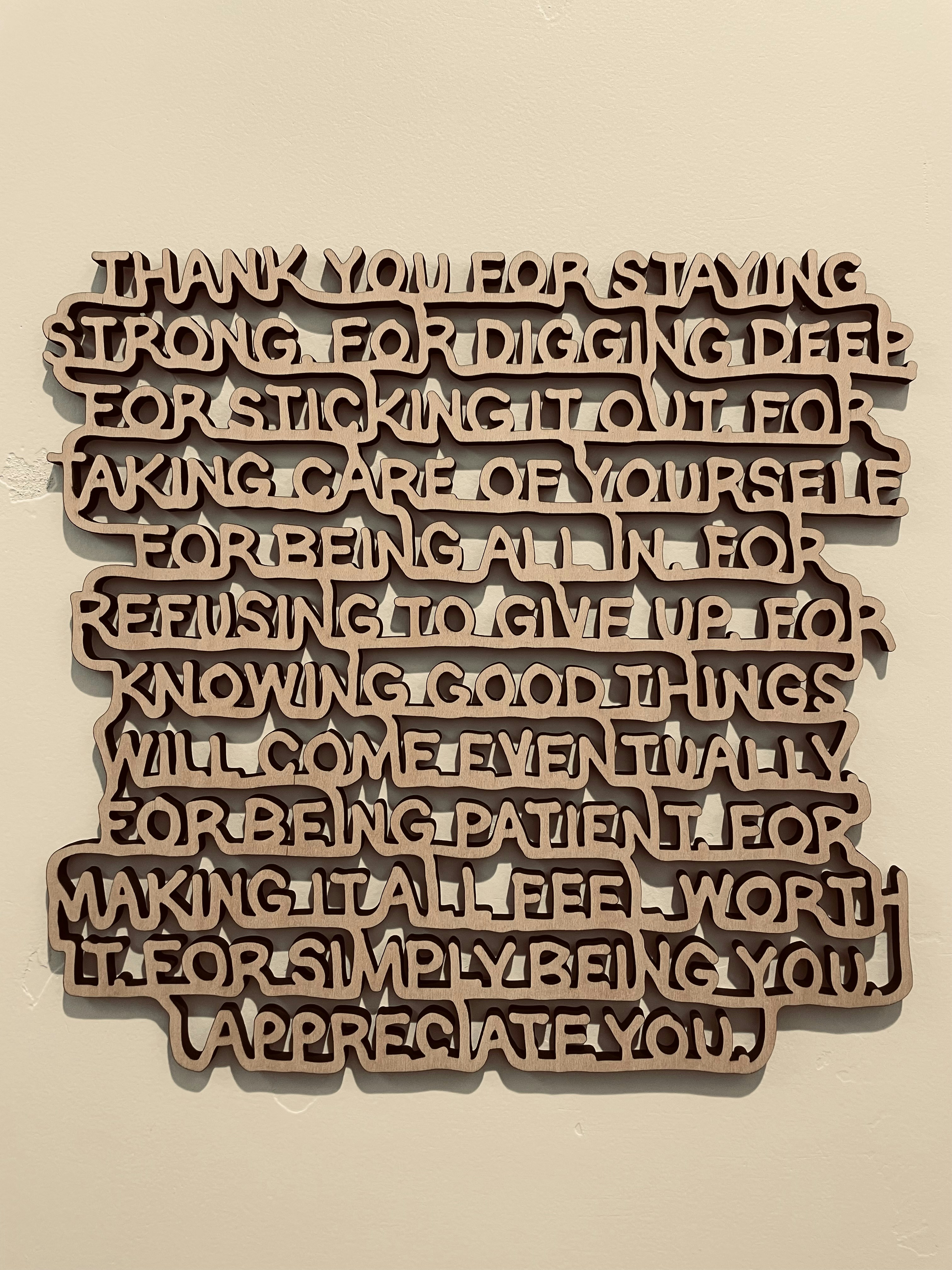
    There comes a point in life when everything feels too heavy — when getting out of bed feels like lifting a mountain, and silence becomes both your comfort and your cage. People tell you to “stay strong,” but they never say that sometimes strength looks like tears, stillness, and simply choosing not to give up.

    The world glorifies healing as a grand transformation — the before and after, the glow-up, the comeback story. But real healing? It’s quieter than that. It happens in unseen moments: when you breathe through another wave of sadness, when you forgive yourself for not being okay, when you whisper maybe tomorrow instead of I can’t anymore.

    You are not falling behind. You are mending, even when it feels like nothing’s changing. Healing doesn’t announce itself; it grows silently in the spaces where you decide to keep trying.

    If you’re still here, still breathing, still hoping — even a little — that’s enough. That’s courage. That’s proof you’re not broken beyond repair.

    The day will come when the heaviness lifts — not all at once, but slowly, like light creeping through the cracks. You’ll smile without forcing it. You’ll feel peace without searching for it.

    Until then, don’t rush your becoming. Just stay. That, in itself, is a quiet kind of victory.

Verified by MonsterInsights